Grinding Balls
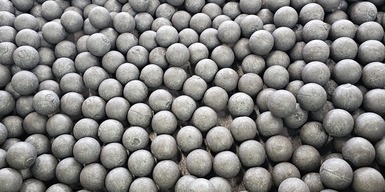
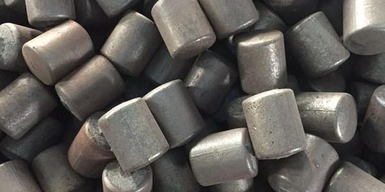
Molycop’s grinding balls are designed for optimal wear performance and impact resistance for a range of milling environments.
Make an EnquiryProduct Features
- Size: Molycop manufactures forged grinding balls for use in ball milling and regrind applications in nominal sizes from 25mm to 105mm or 1.0 to 4.0 inches in diameter.
- Chemistry: An individual chemical profile has been developed for each diameter ball to correspond with the requirements for heat treatment. Specific alloy additions are included to produce optimum physical properties. The chemistry of the balls is controlled through a close collaboration with our bar suppliers and robust internal quality systems.
- Hardness: Surface and cross-sectional hardness of the balls depends on the microstructure of the steel, which is achieved using carefully selected heat treatment variables specifically designed for each alloy.
Product Overview
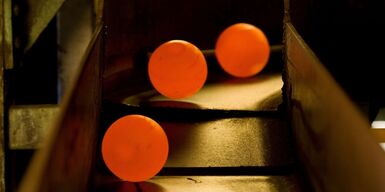
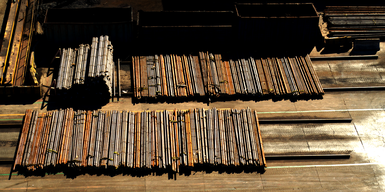
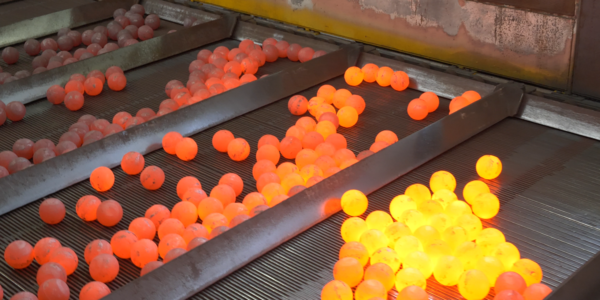
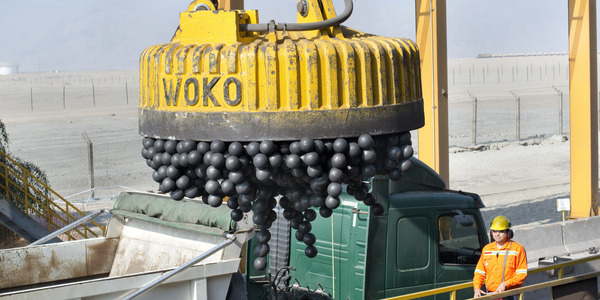
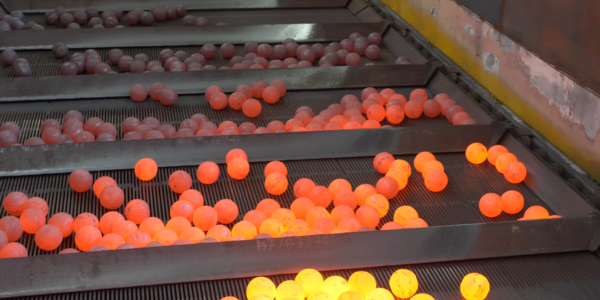
Molycop manufactures grinding balls to exacting internal specifications at grinding media production facilities across the globe. Grinding balls are designed for maximum abrasion resistance using high carbon content and high hardness levels.Grinding balls use high-carbon alloy steel bars as the raw material and are then subject to special bar heating, forging and heat treatment processes to obtain optimum wear and impact resistance.
Product Typical Uses
Molycop’s mid-size ball range is primarily used for secondary ore grinding operations. The regrind ball series is primarily used for regrind or tertiary grinding operations. Both are ideal for ball mill operations in which high wear resistance is the main ball attribute required.Product Benefits
Molycop’s forged grinding balls for use in ball milling and regrind applications deliver:- optimum wear resistance
- optimum impact resistance.
Technical Data
| Ball Diameter | C | Mn | Si | Cr | Mo | ||||||
| in. | mm. | Min. | Max. | Min. | Max. | Min. | Max. | Min. | Max. | Min. | Max. |
| 2.0 | 50 | 0.90 | 1.10 | 0.75 | 1.25 | 0.10 | 0.50 | 0.10 | 0.60 | 0.00 | 0.10 |
| 2.5 | 65 | 0.90 | 1.10 | 0.75 | 1.25 | 0.10 | 0.50 | 0.25 | 0.75 | 0.00 | 0.10 |
| 3.0 | 80 | 0.90 | 1.10 | 0.75 | 1.25 | 0.10 | 0.50 | 0.30 | 0.80 | 0.00 | 0.10 |
| 3.5 | 94 | 0.85 | 1.05 | 0.75 | 1.25 | 0.10 | 0.50 | 0.40 | 0.90 | 0.00 | 0.10 |
| 4.0 | 105 | 0.85 | 1.05 | 0.75 | 1.25 | 0.10 | 0.50 | 0.50 | 1.00 | 0.00 | 0.10 |
| S Max (0.040) | P Max (0.035) | ||||||||||
| Ball Diameter | Average Surface Hardness | Average Volumetric Hardness | |||||||||
| in. | mm. | Min. | Max. | Min. | Max. | ||||||
| 2.0 | 50 | 59 | 65 | 59 | 65 | ||||||
| 2.5 | 65 | 59 | 65 | 59 | 65 | ||||||
| 3.0 | 80 | 59 | 65 | 59 | 65 | ||||||
| 3.5 | 94 | 59 | 65 | 59 | 65 | ||||||
| 4.0 | 105 | 59 | 65 | 59 | 65 | ||||||
| The above is intended as a guide only. Individual ball hardness readings may fall outside the range listed above. | |||||||||||
| Ball Diameter (in) | Minimum Mass (g) |
|
Ball Diameter (mm) | Minimum Mass (g) | Maximum Mass (g) | ||||||||
| 2.0 | 535 | 642 | 50 | 511 | 613 | ||||||||
| 2.5 | 1046 | 1255 | 65 | 1122 | 1346 | ||||||||
| 3.0 | 1807 | 2168 | 80 | 2091 | 2509 | ||||||||
| 3.5 | 2869 | 3443 | 94 | 3392 | 4070 | ||||||||
| 4.0 | 4283 | 5140 | 105 | 4728 | 5674 |
| Ball Diameter (in) | Minimum Mass (g) |
|
Ball Diameter (mm) | Minimum Mass (g) | Maximum Mass (g) | ||||||||
| 1.0 | 67 | 84 | 25 | 64 | 80 | ||||||||
| 1.25 | 131 | 164 | 32 | 134 | 168 | ||||||||
| 1.5 | 226 | 283 | 40 | 261 | 326 |
| Ball Diameter | Average Surface Hardness | Average Volumetric Hardness | |||||||||
| in. | mm. | Min. | Max. | Min. | Max. | ||||||
| 1.0 | 25 | 59 | 65 | 59 | 65 | ||||||
| 1.25 | 32 | 59 | 65 | 59 | 65 | ||||||
| 1.5 | 40 | 59 | 65 | 59 | 65 | ||||||
| The above is intended as a guide only. Individual ball hardness readings may fall outside the range listed above. | |||||||||||
| Ball Diameter | C | Mn | Si | Cr | Mo | ||||||
| in. | mm. | Min. | Max. | Min. | Max. | Min. | Max. | Min. | Max. | Min. | Max. |
| 1.0 | 25 | 0.90 | 1.10 | 0.50 | 1.00 | 0.10 | 0.50 | 0.00 | 0.50 | 0.00 | 0.10 |
| 1.25 | 32 | 0.90 | 1.10 | 0.50 | 1.00 | 0.10 | 0.50 | 0.00 | 0.50 | 0.00 | 0.10 |
| 1.5 | 40 | 0.90 | 1.10 | 0.50 | 1.00 | 0.10 | 0.50 | 0.00 | 0.50 | 0.00 | 0.10 |
| S Max (0.040) | P Max (0.035) | ||||||||||