Mineral Analysis Services
Molycop provides a range of chemical products and metallurgical laboratory services enabling customers to maximise value in their mineral extraction operations.
Make an EnquiryProduct Features
- Chemical products for dust control, and gold and copper mining
- Laboratory services for physical and chemical characterisation of minerals
- Geotechnical assessments – open pit and underground
- Metallurgical assessment and process review
- Mine water modelling and management
- Customisable and with quick turnaround times
Product Overview
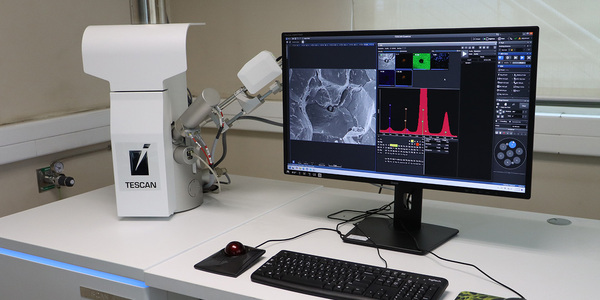
In addition to supplying customers with a full complement of chemical and industrial products, Molycop provides mineral analysis services for gold, platinum group metals, lead, zinc, rare earth, nickel, copper and lithium commodities, among others.Molycop continually develops new methods and techniques, creating new equipment and technologies, and rethinking how mineral analysis is performed.
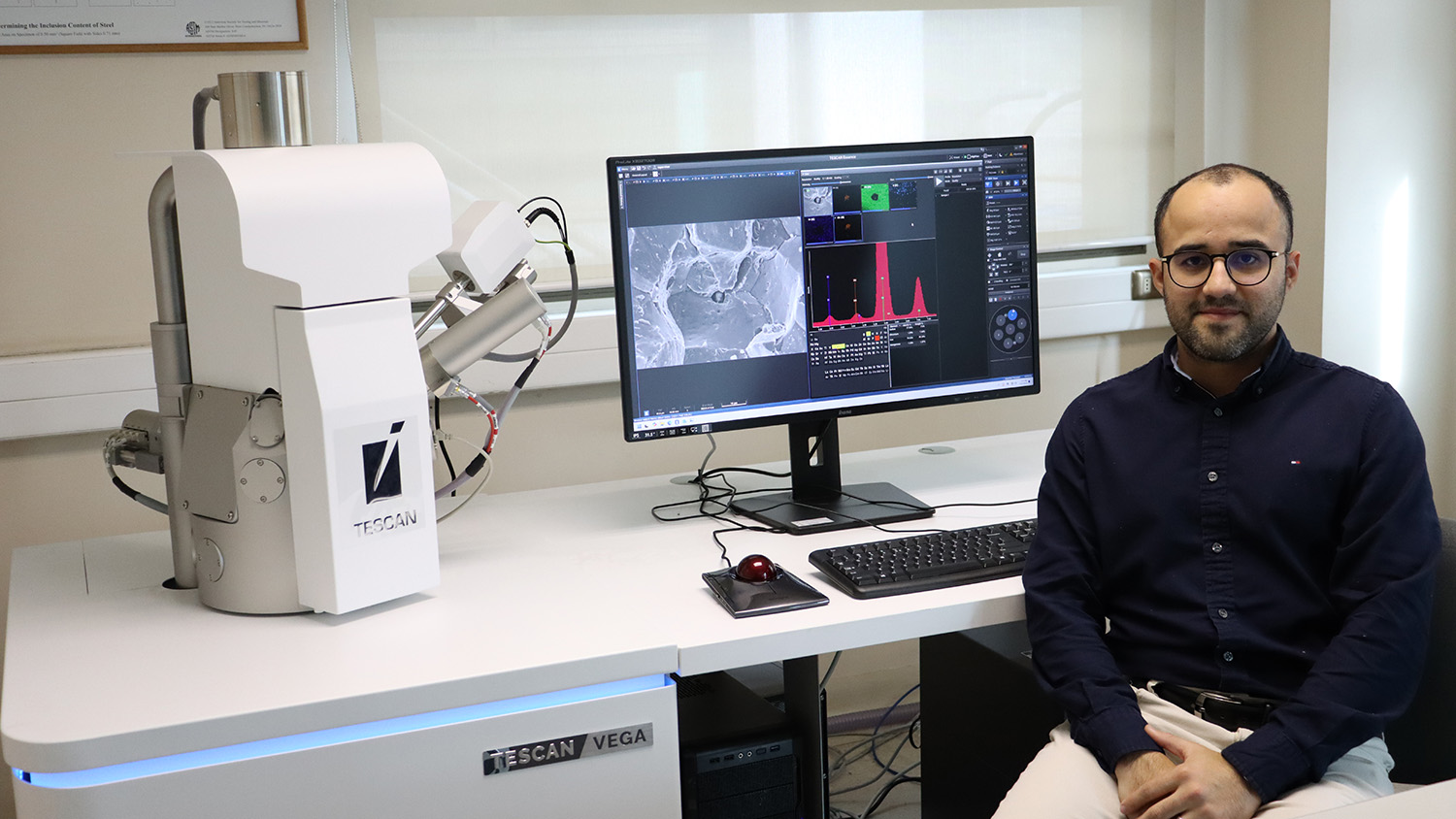
A wide range of laboratory services available for customers includes mineralogical classification, flotation kinetic tests, froth characterisation tests, and flocculant and/or coagulant selection and optimisation tests. Laboratory services are customised and prioritised for quick turnaround times.
Molycop brings extensive expertise in mine life cycle and works closely with customers to ensure their assets are employed effectively. We use our global team of experts to help our customers protect, enhance and create value throughout the lifetime of their investments and operations.
Product Typical Uses
Customers use Molycop's mineral analysis services to optimise resource extraction, improve processing efficiency and manage environmental impacts. Mineral analysis services are used for tasks including ore block optimisation, metallurgical assessments, geotechnical evaluations and laboratory testing, helping customers enhance the performance and value of their operations.Product Benefits
- Resource extraction optimisation (grade control, ore block optimisation, drill-hole/sampling optimisation).
- Operational improvements and expansions.
- Improved processing efficiency.
- Manage environmental impacts.